

How to Develop a NonDē Script When Working in the Void
And sneak a peek at the text reactions I'm getting from readers...

If I haven’t stated it outwardly here, dear comrade, allow me to now:
I’m making my first feature film this year.
It’ll be part of the NonDē 50 Films Project.
This film was not, in fact, supposed to happen this year because I was supposed to be making a different film. And that other film completely fell through, inexplicably, without cause, and for no reasons given. Another story for another day, but you know how it goes… making plans, god laughing...
Even though I was initially devastated to lose out on that other film, Life handed me the right cards, I’m sure of it.
This is the film I should be making right now.
{As a quick aside, I know this post is a slightly different angle than I usually take. I put out a survey a couple weeks ago to ask what folks wanted me to write about, and Film BTS made the cut. So let me try this and we’ll see if you like it. If you don’t, you’ll tell me. I aim to please!}
K, let’s roll.
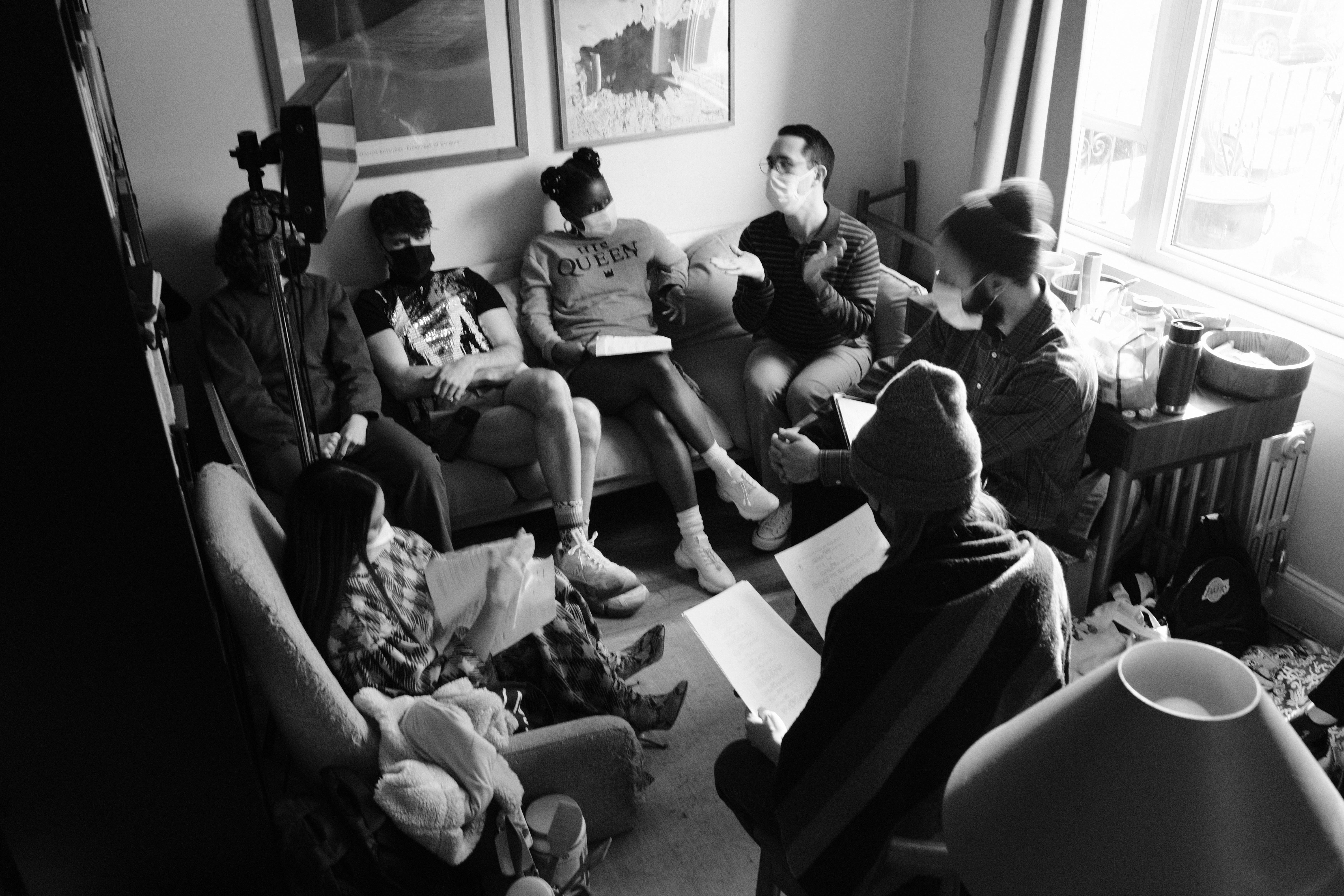
How I’m Getting Feedback on the Script
The table read for my script is coming up in early January. As a non-dependent (NonDē) filmmaker, I’ve gotta be brutal with myself, so I generally run it through several layers of feedback:
I write several passes (usually 6-7 drafts) before anyone’s allowed to see it.
Then my husband gets it.
Then my best friend gets it.
Then my collaborators get it.
Then I do a table read.
Then I collect all of that feedback, sort and analyze it, mix it with my own gut instincts from hearing it out loud and go back in for a few more passes (at least 2, but probably more).
Then once it’s good enough to start pre-production, we do. But I keep working on it. This could yield significant changes, so let’s call those 1-2 more drafts.
What do you count as a “draft”?
A great question and I’m glad you asked.
For me, a draft is when I make significant changes in a few areas.
Those areas could be:
cutting scenes
rewriting scenes
adding a character
rearranging the scenes
changing something incredibly significant like a character’s wants/needs/obstacles/intentions
For me, a draft is not proofreading or zhuzhing or cutting some lines here or there.
It’s safe to say that throughout my process, I write around 10 drafts of the script, more or less. The first draft doesn’t take me too long, usually about a month to six weeks. But drafts 2-4 are where I really bleed at the typewriter (per Hemingway). And these subsequent drafts could take me six months or a couple years.

Let’s Quickly Chat About Writing Speed
One of the important things I want us to talk about with NonDē filmmaking is the material reality of our lives.
So here is mine — I started producing my own films after I started having babies.
So my personal writing speed reflects the material reality of newborns, breastfeeding, childcare costs, navigating my own postpartum health, raising small kids and all that comes with it. I suspect, now that I’m done having babies, this entire process may go a bit faster. Maybe instead of two years of writing, I’ll get it closer to 18 months.
Then again, Life is a wild mistress and we never know what’s to come. So let’s just say, this is my writing speed as of now.
6 Rules for Getting the Most Out of Feedback
In undergrad, at 19-years old, I was presenting scenes from Summer and Smoke, and Twelfth Night, and Fat Pig.
I was presenting Katherina in Taming of the Shrew, in a scene with Petruchio when I had to “fall to the ground” and my acting teacher told me I couldn’t act “outside-in” because I wasn’t Cicely Berry yet.
I was sitting in front of my classmates as she asked if I believed in things like “love at first sight” and made me defend my answer, why or why not.
So all that to say, I’m pretty comfortable in the hot seat.
I really enjoy the collaborative practice of feedback, but of course it can go awry.
My basic rules for receiving feedback:
Look for the note behind the note.
Develop a good sense of where the note is coming from — sometimes it’s an issue with the story, sometimes it’s someone’s personal projection. Either way, something in the script probably has to be adjusted, but knowing where the feedback comes from helps to interpret more quickly.
If you want to know something specific, ask a specific question.
If you don’t want to hear something, investigate why you don’t.
No one owes you notes.
Every note reveals something about something, stay curious.
First Reactions to the Script
It’s really unsettling and wonderful when other people start reading the script and offering feedback. Here are some first reactions (not feedback, just reactions!) to my ND50 script, for fun:


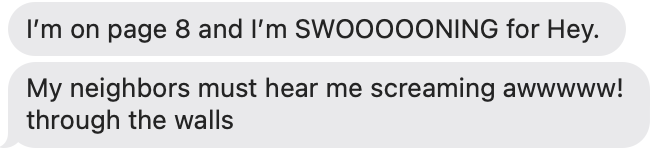
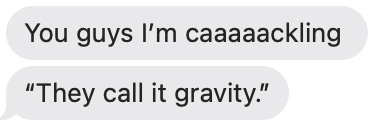


Is a table read always necessary? For me, yes.
The table read will reveal many issues to me. Things I predict I’ll discover when I hear it out loud:
Unearned emotional beats
A missing scene in the back 30%
Certain characters need higher stakes
Cut some of the direction that’s too repetitive
General overwriting, clunkiness of lines
A good question to ask me now would be: Court, if you know you need to work on those things, why don’t you do that before the table read?
It’s a fair point you theoretically make!
The answer is I have spent so long with these pages in my own head that I need to get out of my brain and into real, tangible, physical space with it. I can certainly intellectualize the answers to those potential issues above, but I don’t want to think my way out of the issues. I want to feel it.
And I, personally, gain a lot of momentum and energy from hearing other people take hold of the story.
I like when they tell it back to me.
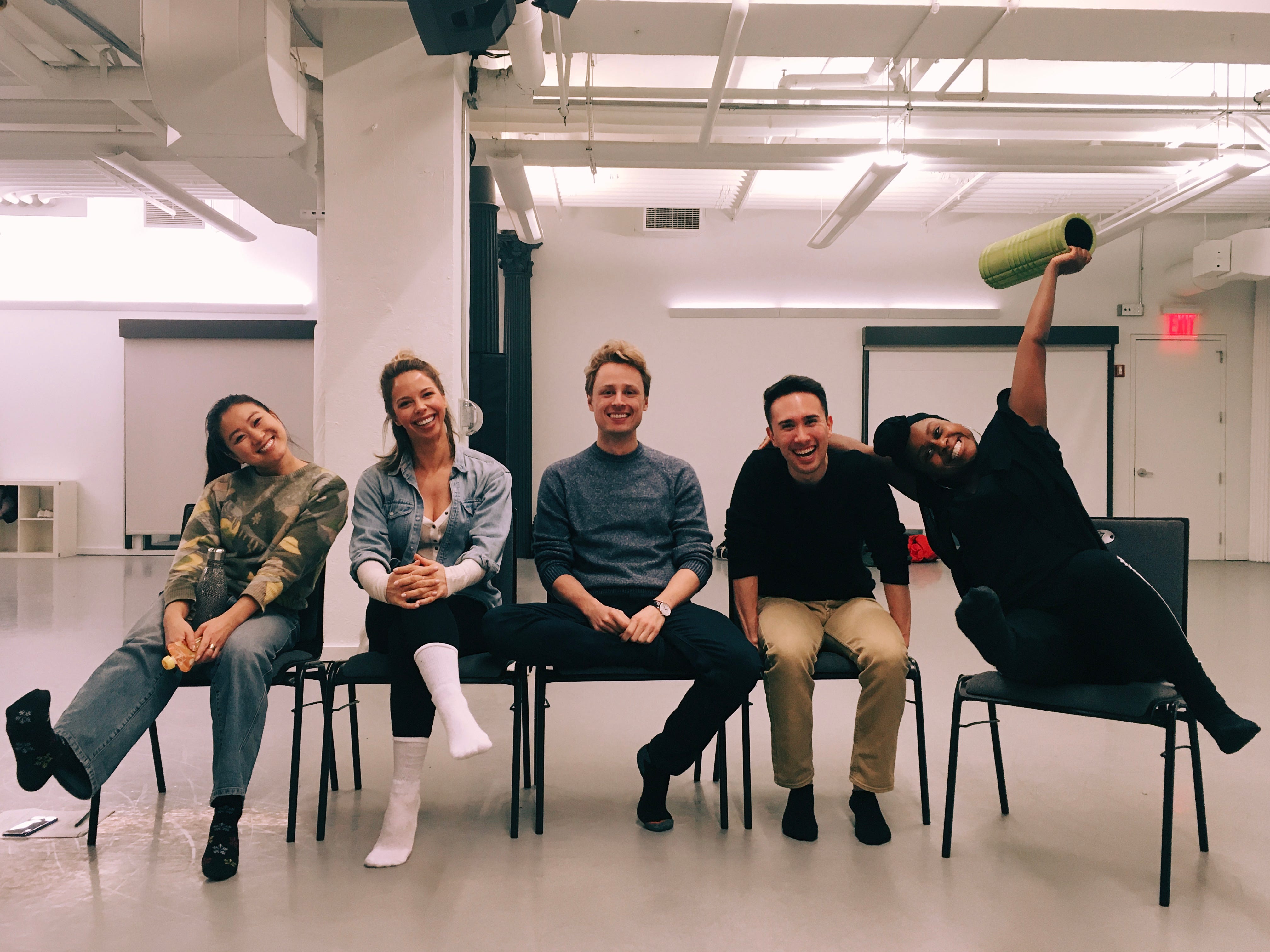
The Thing We Have to Admit about NonDē Development
Someone wrote somewhere on FilmStack (forgive me for losing the thread! please tell who you are so I can link back to it!) that one of the challenges of the NonDē movement is you don’t have a lot of folks telling you no like they do in the studio system. And this stalling, this development “hell”, often grinds out a better version of your story.
If we’re the ones greenlighting our own films, in one way, it’s freedom. And in another, it’s a trap.
We might be blind to the necessary work our scripts need. It’s a fine balance of course. Too much time on the page and you end up like Nicholson in the Overlook Hotel. Too little and it’s an unintelligible fever dream.
For my personal process, I prefer to interrogate the hell out of it. Really make it talk.
Ted Hope gave a long list of “The Necessary Practices to Get Your Movie Made” and one of the practices was “Commence script Interrogation/page turn/writers room to unlock cinematic opportunity.” I’ve been thinking about “cinematic opportunity” since I read it, asking myself:
Which cinematic opportunities do I personally love? Which films? Which moments? How do they make me feel?
How can I increase the cinematic opportunity of every scene?
What’s the overall feeling I want to inspire in the audience? What has made me feel that before?
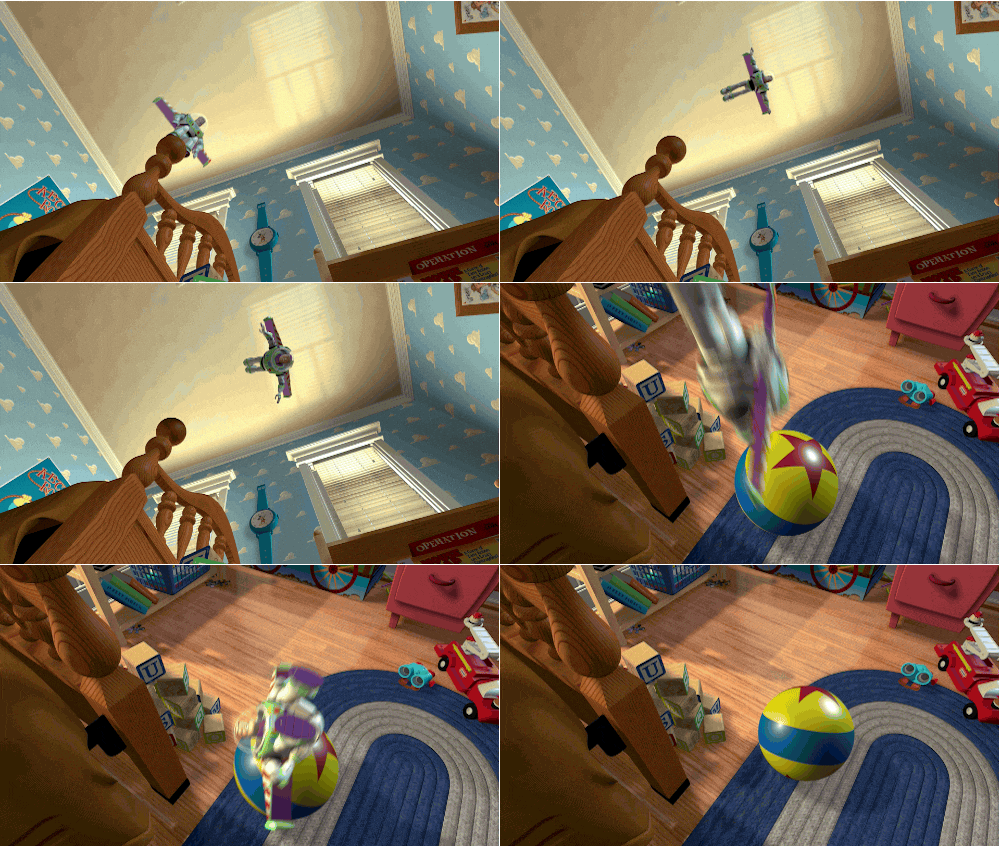
Admittedly, my writing process basically amounts to this: Falling With Style
I hope this was useful for you! Tell me in the comments or on Notes:
How many drafts do you usually write, all in?
Who gives you first feedback?
Do you do a table read?
How much does your script change during production?
What’s the hardest draft for you, psychologically — first one? Last one? Second one?
And for my paid subs, I’m sharing a little snippet from my NonDē 50 script below. This part always makes me laugh. I hope it stays in by the time we’re done with the movie! But who knows how the cookie’ll crumble!